Supermarket profit margins on apples reached 65 per cent in early 2026 as supply shortages pushed retail prices up, according to data from Apple and Pear Australia Limited. The average price of apples rose from $4.50 per kilogram 18 months ago to a peak of about $6.20 earlier this year, before settling at an average of about $5.20 a kilo.
Apple and Pear Australia Limited general manager Jeremy Griffith said the group wants the Australian Competition and Consumer Commission to better police the relationship between major supermarkets and farmers. Woolworths and Coles defended their pricing decisions, citing seasonal availability and market conditions, while Aldi did not respond to requests for comment, ABC business (AU) reports.
Reserve Bank of Australia Deputy Governor Andrew Hauser said the public was "furious" about inflation and acknowledged Australians were struggling with the continued high cost of living.
"People are furious about inflation," Mr Hauser told the ABC's 7.30 program on Tuesday, calling it the central bank's "one big problem".
Headline inflation rose to 3.5 per cent in the year to July. The RBA board will meet at the end of September to decide whether to move or hold the cash rate, which currently sits at 4.35 per cent, ABC business (AU) reports.
Bathla Group owes known creditors about $3.4 billion, including $3.08 billion to secured lenders, according to preliminary figures presented by administrators at the company's first creditors' meeting on Friday. The group also owes $145 million to the Australian Taxation Office, $42 million in land tax and $130 million to other unsecured creditors, plus about $4 million in employee wages and superannuation.
Administrators met payroll on September 3 but said there was insufficient cash to pay wages on an ongoing basis. About 21 employees and subcontractors have been stood down, with the situation expected to be reviewed early next week. The figures remain preliminary, Lin Lin reports for ABC business (AU).
Samantha Barrass, chief executive of New Zealand's Financial Markets Authority, is understood to have resigned while under investigation, the NZ Herald reports.
No further details of the investigation or circumstances of her departure were immediately available, Jenée Tibshraeny reports for NZ Herald business.
New Zealand's Reserve Bank lifted the official cash rate by a quarter percentage point to 2.75%, the central bank said on Tuesday, citing the need to reduce economic stimulus and tackle high inflation.
The RBNZ said an economic recovery is underway and interest rates remain supportive of growth. The bank has signalled further rate rises are possible depending on the pace of economic growth and global events, RNZ business (NZ) reports.
Commonwealth Bank charged a customer $1,040 in annual fees over 13 years for a corporate credit card that was never activated, undelivered and destroyed, the Sydney Morning Herald reports. The card was cancelled in 2010 after a disputed transaction, but CBA continued charging $80 annually until the customer spotted the debit in July 2026 and questioned the bank.
CBA initially claimed it could not identify who was charging the account, then said it was an annual fee for a corporate card facility the customer had no record of requesting. The bank defended the practice as permitted under its terms and a voluntary payments code, saying the card was "still linked to his account" even though it was never received.
The customer said the bank acknowledged multiple reissuance attempts to outdated addresses and offered the $1,040 refund only after the SMH made inquiries. He questioned whether other customers faced the same charges, calling CBA's conduct "sheer incompetence and absurd." CBA said it would consider clearer fee descriptions but stood by its right to charge for unactivated cards under the ePayments Code, AU/NZ banks reports.
Developer Ridgeburn Ltd has submitted a revised Fast-track application for a 1210-house Otago project near Arrowtown, featuring $27 million for road upgrades and interest-free deposit loans.
The developer temporarily withdrew its application in July after councils highlighted information gaps and the Fast-track panel convenor concluded it was not ready for an expert panel, RNZ reports.
Australia's 10-year government bond yield climbed to 5.16 per cent on Tuesday, the highest level since April 2011, as markets sell off bonds amid inflation concerns. The rise reflects both global bond market weakness and local inflation worries, according to ABC reporting.
AMP chief economist Shane Oliver said the higher borrowing costs mean less money for government services and harder conditions for new home buyers. "Rising interest costs on public debt means less money left over for government services, raising corporate borrowing costs and higher fixed mortgage rates," Dr Oliver said. The three-year bond yield jumped 0.07 percentage points to 4.73 per cent.
The Australian sell-off is part of a global phenomenon. Japan's 10-year government bond yield rose to 3 per cent on Tuesday, its highest since September 1996. British and US government bond yields have also surged, with the US 30-year Treasury bond yield reaching 5.2 per cent for the first time in 19 years, David Taylor reports for ABC business (AU).
Australia's consumer price index rose 3.5% in the year to July, down from 3.8% in June but smaller than economists had predicted, the Australian Bureau of Statistics reported. The Reserve Bank's preferred measure of underlying inflation, the trimmed mean, held steady at 3.6%, offering no reassurance that price pressures are easing across the economy.
Prices for essential purchases — food, shelter, healthcare and school fees — rose 3.7% annually, outpacing wage growth of 3.2% and deepening cost-of-living pressure on households. Labour-intensive services surged, with childcare up 7.3%, hairdressing up 4.4%, education up 4.8% and meals out up 4.5%. Lower electricity prices, down from 22.4% annual growth in June to 6.1% in July due to rebate timing, drove most of the headline easing.
The Reserve Bank kept the cash rate at 4.35% earlier this month, warning that inflation remains too high. Financial markets expect no change at the bank's September 29 meeting, but are pricing in the possibility of another increase later this year, particularly if inflation remains sticky when September quarter figures are released before the November 3 board meeting, John Hawkins reports for The Conversation.
Annual inflation slowed to 3.5% in July from 3.8% in June, but fell short of the 3.3% forecast and remains well above the Reserve Bank's 2.5% target, the Australian Bureau of Statistics reported. The RBA's preferred underlying inflation measure held steady at 3.6%, defying expectations it would moderate.
Economists said the disappointing figures raised the prospect of a rate rise as soon as September, when the RBA meets next. "We think the July CPI leaves little room for the RBA to do anything other than follow through on its hawkish posturing," said Phil O'Donaghoe, chief economist at Deutsche Bank. The RBA held the cash rate at 4.35% on 11 August, but minutes from that meeting showed board members thought another hike this year was "quite possible" and would likely move if price pressures persisted.
Housing costs remained a drag, with building prices up 5.7% and rents up 3.6% through the year. The end of fuel excise relief in July pushed petrol prices up 7.5% in the month, Guardian business reports.
Australia's corporate and financial watchdog said the private credit sector is facing its first real test following the collapse of several large borrowers and restrictions on investor redemptions.
Australian Securities and Investments Commission chair Sarah Court told a gathering in Sydney that the lightly regulated sector is showing its first significant cracks as more information emerges, David Taylor reports for ABC business (AU).
Macquarie Group has dropped KPMG from its audit contract, according to a statement released on Wednesday by the accounting firm.
KPMG said while it is disappointed by the outcome, it respects the decision taken by Macquarie.
"Today's announcement by Macquarie is a clear reminder that the consequences of our past failings are real," KPMG Chief Executive Officer John Sams said in a statement on Wednesday. "Rebuilding trust will require sustained action, transparency and time."
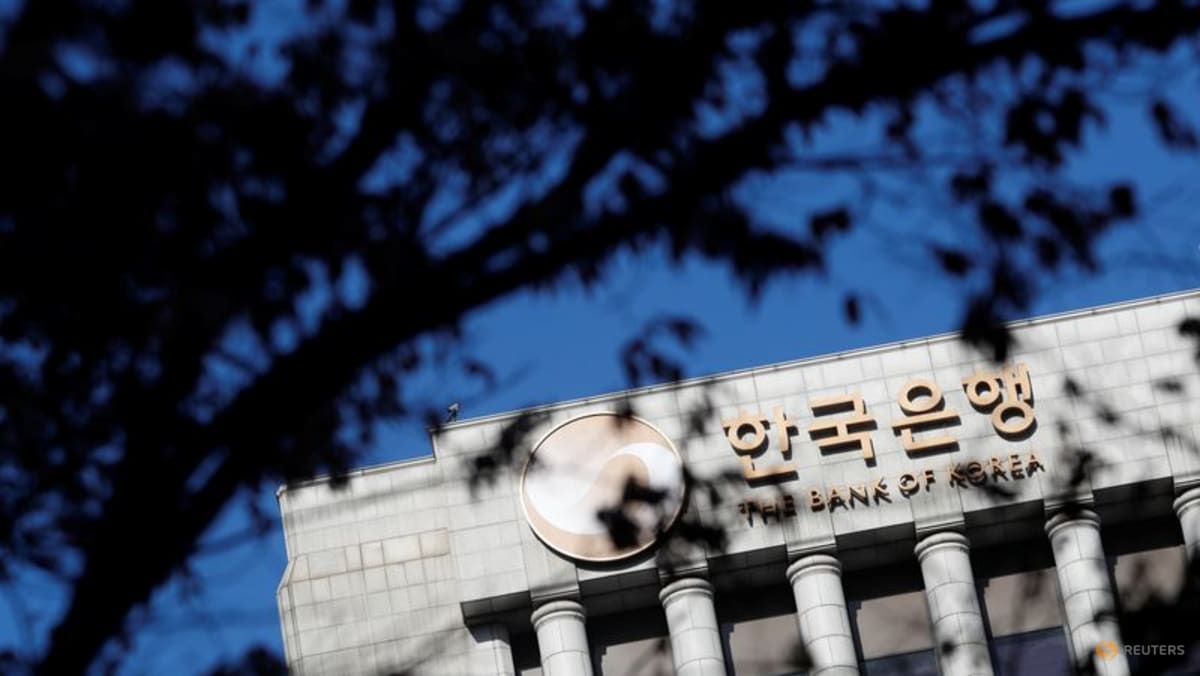
The Bank of Korea raised its benchmark interest rate by a quarter percentage point to 3.00 per cent on Thursday, delivering a second straight increase.
The seven-member board lifted the seven-day repurchase rate to its highest level since February 2025, according to Reuters reports.
The Bank of Korea raised its benchmark interest rate by a quarter percentage point to 3.00% on Thursday, delivering a second straight increase as inflation stays above target.
The seven-member monetary policy board voted to raise the seven-day repurchase rate by 25 basis points, according to Reuters, matching expectations from a poll of economists, Channel NewsAsia business reports.
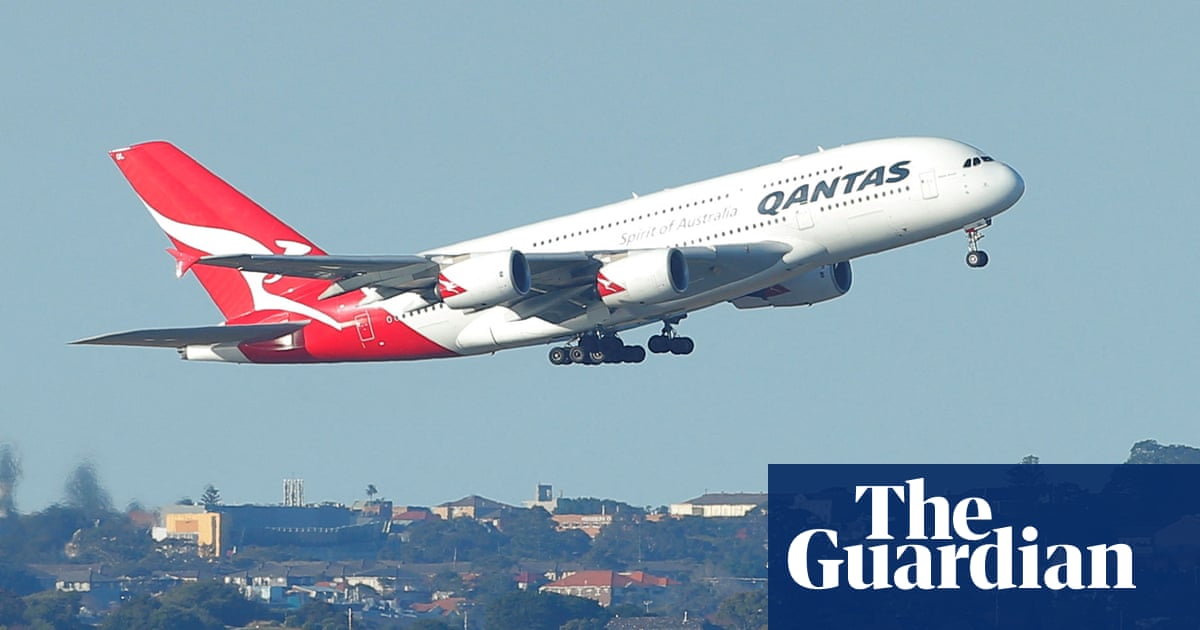
Qantas reported its lowest pre-tax profit in 4 years at $2.06 billion on Thursday, after conflict involving the US and Iran increased its fuel costs by $610 million, the Guardian reports.
Australia's national airline also announced plans to phase out its Airbus A380 fleet as it adds new aircraft, according to the publication, Luca Ittimani reports for Guardian business.
The ASX 200 gained 0.5% to 9,103 points, following Wall Street higher, with materials stocks leading and financial stocks weighing the index down.
BHP rose 3.0%, Rio Tinto 1.2% and Fortescue 1.0%. Uranium miners were particularly strong, with most major players up more than 10%, while lithium miner Pilbara Minerals gained 7.9% after reinstating a dividend.
Refiners bucked weakness in oil and gas, with Ampol jumping 4.3% after reporting half-year profits above $1 billion. The finance sector fell, with the big four banks lower and insurer NIB dropping 8.4% after poor full-year results, Stephen Letts reports for ABC business (AU).
U.S. Bancorp said recent claims of data theft by the LockBit ransomware gang stem from a breach involving a fourth-party contractor and did not impact its own systems, according to Recorded Future News.
A spokesperson told Recorded Future News that an investigation traced the claims to a potential cyber incident occurring outside its environment, adding there is no evidence of unauthorized access, The Record reports.
Philippines central bank poised to raise rates to 5% despite growth slowdown
The Bangko Sentral ng Pilipinas is likely to raise its benchmark interest rate by a quarter point to 5 percent at its Aug. 27 meeting, according to a poll of 15 economists by the Inquirer. Eleven expect the hike; four see the rate staying at 4.75 percent. The decision would extend a tightening cycle begun in April, with persistent inflation at 6.2 percent and peso weakness outweighing concerns over slowing economic growth, which fell to 2.3 percent in the second quarter.
Jun Neri, lead economist at Bank of the Philippine Islands, said inflation risks remained tilted upward despite recent deceleration, citing food and energy pressures, potential crop damage from monsoon rains and a possible Super El Niño, and volatile oil prices. "Near-term risks are concentrated in food and energy," Neri said.
BSP Governor Eli Remolona Jr. signaled last week the central bank would take a less aggressive approach to tightening, Inquirer business (PH) reports.
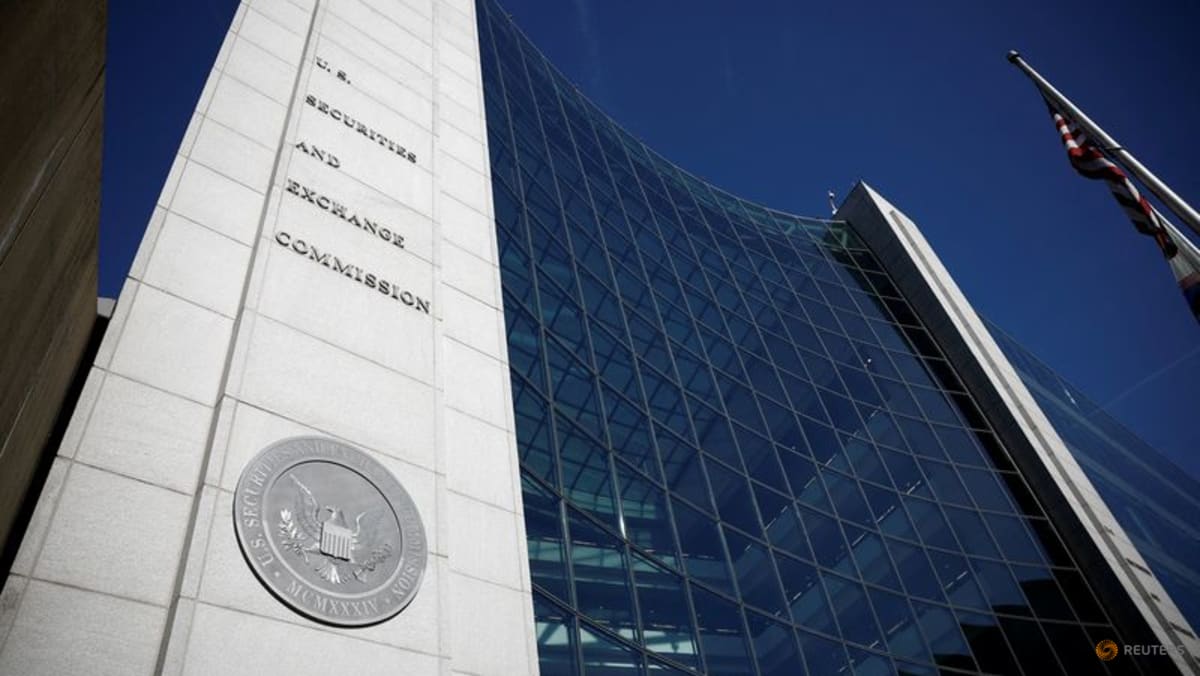
The U.S. Securities and Exchange Commission charged a former senior Bank of America investment banker on Friday with insider trading involving an $8.1 billion buyout.
The regulator alleges Jason Satsky tipped his longtime friend Gavin Wolfe in late 2021 about the pending acquisition of South Jersey Industries, enabling Wolfe to make $18.5 million in illegal profit, Channel NewsAsia reports.
Lawyers for both men denied the allegations in statements, with Satsky's attorney saying his client acted properly and Wolfe's lawyer stating his client bought the shares based on an independent investment thesis, Channel NewsAsia business reports.
Westpac said currency conversion fees on consumer credit cards cover transaction costs and are cost-neutral, according to RNZ reporting on 22 August 2026.
Massey University banking expert Claire Matthews said the charges involve real transaction and exchange rate risks, but are also about profits, RNZ business (NZ) reports.
Chinese visitors can now use Weixin Pay to scan KHQR codes for payments across Cambodia under a new cross-border service launched in Phnom Penh, Fintech News Singapore reports.
The National Bank of Cambodia and Weixin Pay launched the integration to connect the payment platform to the KHQR unified acceptance network, according to the publication.
Australian insurer Suncorp relied on data including a suburb's Muslim population and Greek ancestry to determine motor and home insurance premiums, according to reports this week.
Legal experts warned the practice risks breaching anti-discrimination laws, as exemptions do not cover race or religion. A Suncorp spokesperson said the company sets premiums using risks associated with customers and location, and has since stopped using religious and ethnic data, Elias Visontay reports for SMH business (AU).
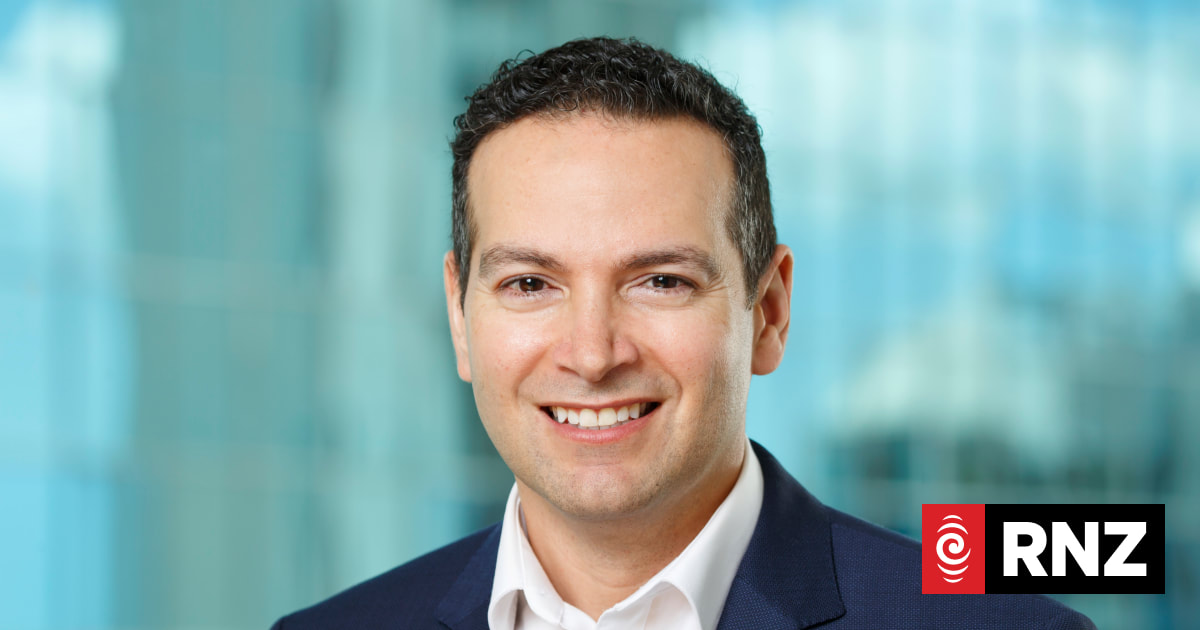
Capital markets operator NZX appointed financial services executive Hishaam Mirza as its new chief executive on Tuesday.
Mirza joins the exchange following a 14-year tenure at NZ Super, where he recently headed direct investments. He takes over from acting chief executive Graham Law on 14 September, according to RNZ.
NZX chair John McMahon said in a statement that Mirza was selected following a global search to lead the business. The exchange has been without a permanent chief executive since May, when Mark Peterson stepped down from the role, RNZ business (NZ) reports.
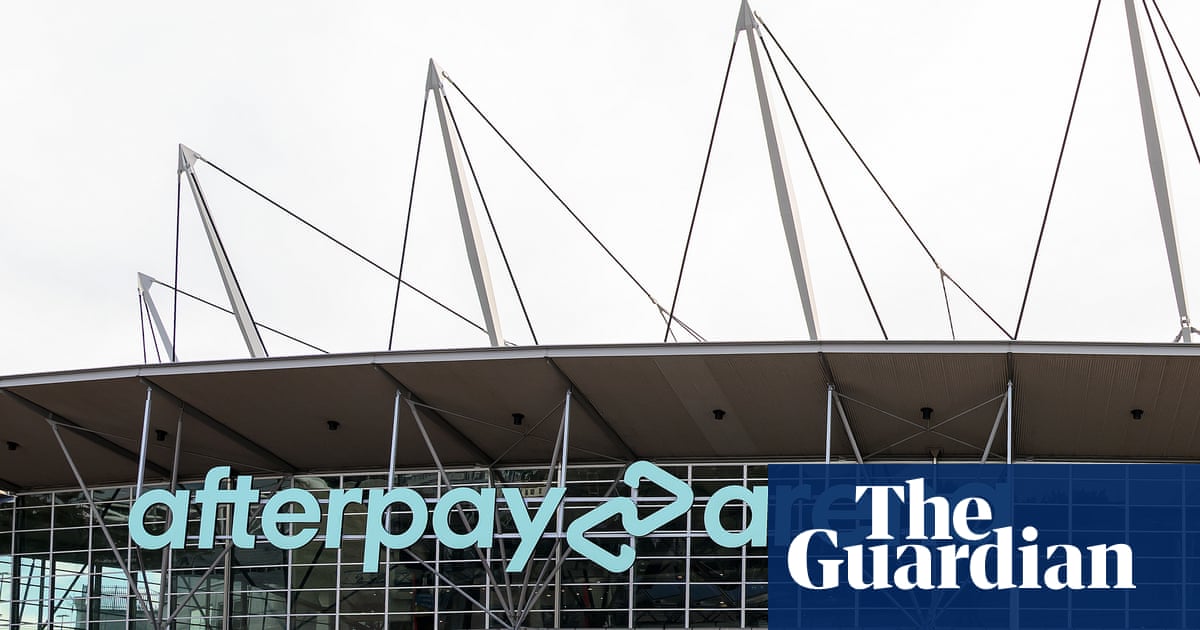
Buy now pay later spending in Australia grew just $1.5 billion in 2025, down from $3 billion annual growth in the late 2010s, as new credit regulations and slowing customer acquisition reshape the sector, the Reserve Bank reports.
New BNPL account applications fell 35% in the three months to June 2026 from a year earlier, according to credit agency Equifax. At least eight platforms have exited Australia since 2022, leaving four major operators: Afterpay with 4.5 million customers, and PayPal, Klarna and Zip with about 2 million each. Zip will leave New Zealand on Monday.
The slowdown follows 2025 laws that required BNPL companies to perform credit checks and report accounts to credit agencies, removing the instant approvals that were their main draw. "Once it became more regulated and had more friction, then I think people changed," said Kevin James, analyst at Equifax. Australians spent 20 times more on credit cards than BNPL last year, Luca Ittimani reports for Guardian business.
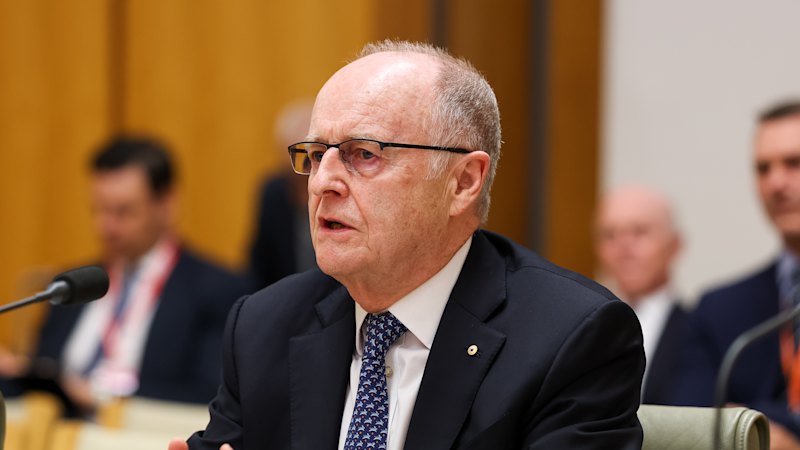
Westpac director Michael Ullmer told a parliamentary committee that the bank's board was not informed of KPMG whistleblower allegations until Labor Senator Deborah O'Neill read them out in parliament in March, despite Peter Nash, a fellow director and former KPMG partner, being warned earlier.
Ullmer said Nash did not share the allegations with other board members. Nash resigned last month after it emerged he had stayed at the home of KPMG chairman Martin Sheppard while the firm was pitching for Westpac's $25 million-a-year audit contract, a breach of tender protocols the director called a clear failure.
Westpac's general counsel did not receive a comprehensive explanation of the allegations until May 13, Ullmer told the inquiry. The director said the gradual disclosure of information about the matter had been "one of the most challenging aspects" as the board discovered the scope of the breach over time.
Former RBA governor Glenn Stevens and Optus executives are also being called before the parliamentary inquiry into KPMG's misuse of confidential client information, Colin Kruger reports for SMH business (AU).
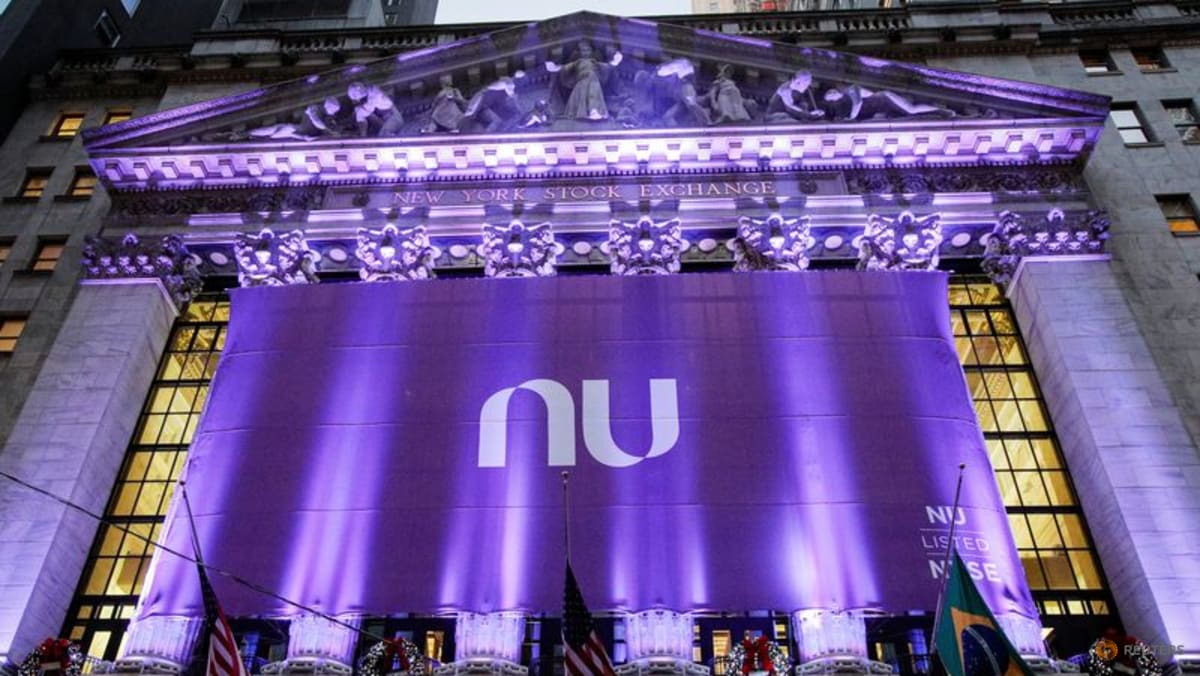
Brazilian digital lender Nu Holdings reported net profit of $1.06 billion for the April-June quarter, surpassing the $967.2 million analyst estimate and marking the first time the company has topped $1 billion in a single quarter. Net revenue rose 39 per cent to $5.88 billion, above the $5.60 billion consensus, while its credit portfolio grew 37 per cent year-on-year to $39.4 billion, Reuters reports.
Shares jumped 9 per cent in extended trading to about $15.25 each. The profit growth was driven by higher revenue and an improvement in risk-adjusted net interest margin, Chief Financial Officer Rob Livingston told Reuters. Early delinquency rates rose 0.3 percentage point year-on-year to 4.8 per cent but fell from 5 per cent in the first quarter.
Cost of credit, which had weighed on shares the previous quarter, declined to $1.69 billion from $1.79 billion but remained 60 per cent higher than a year earlier. Livingston said Nubank benefited from Brazil's Desenrola debt-refinancing program launched this year, though he said improvement would have occurred even without it, accounting for only about 5 per cent of the bank's total cost of credit, Channel NewsAsia business reports.