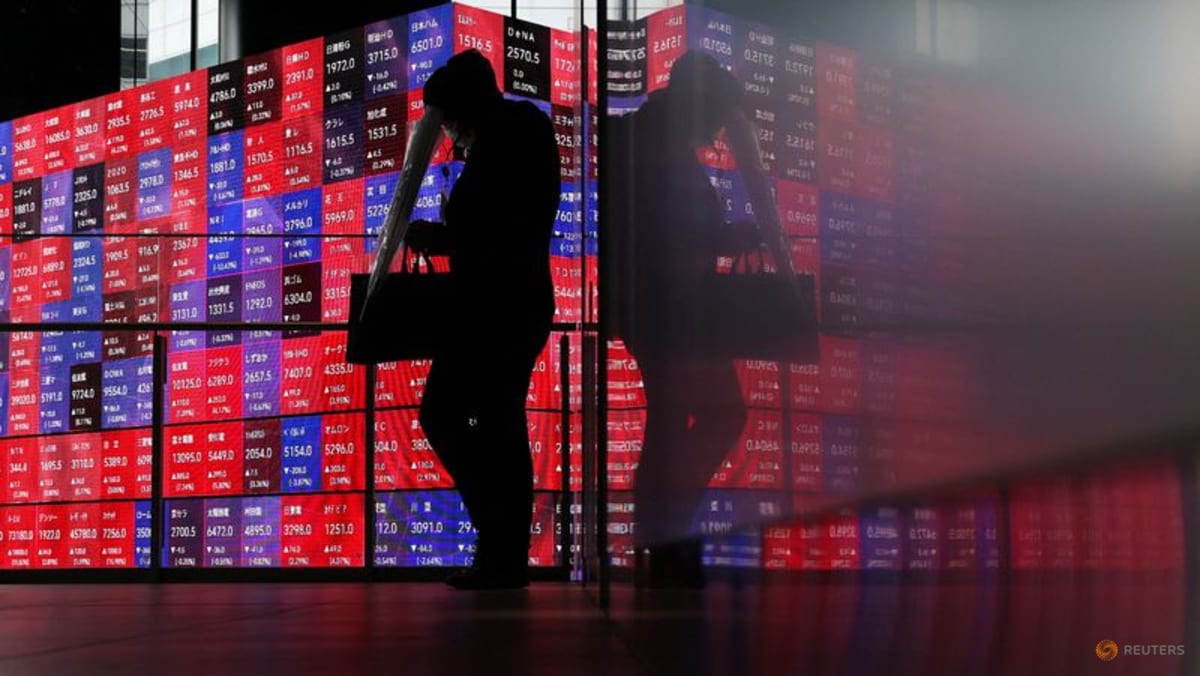
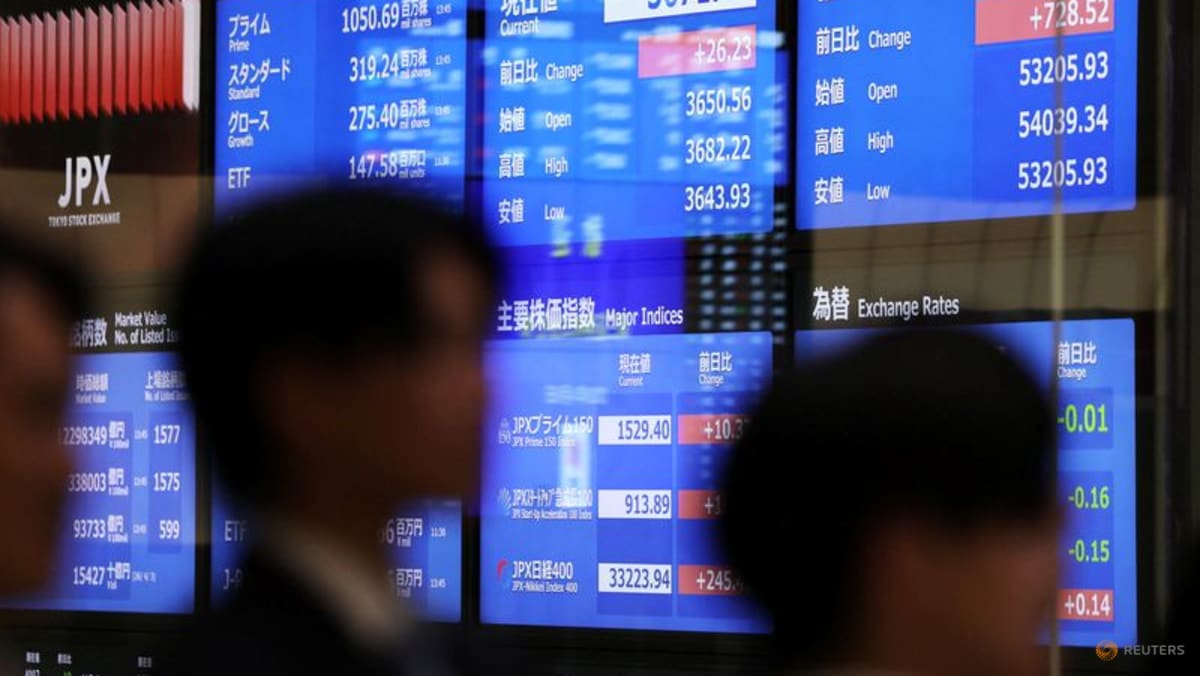
Global bond yields hit major new highs on Tuesday as renewed fighting in the Middle East lifted oil prices and traders braced for interest rate hikes.
Japan's 10-year benchmark yield hit 3 per cent for the first time since 1996, while Britain's 10-year yield reached its highest since 2008 above 5.24 per cent, according to Channel NewsAsia, Channel NewsAsia business reports.
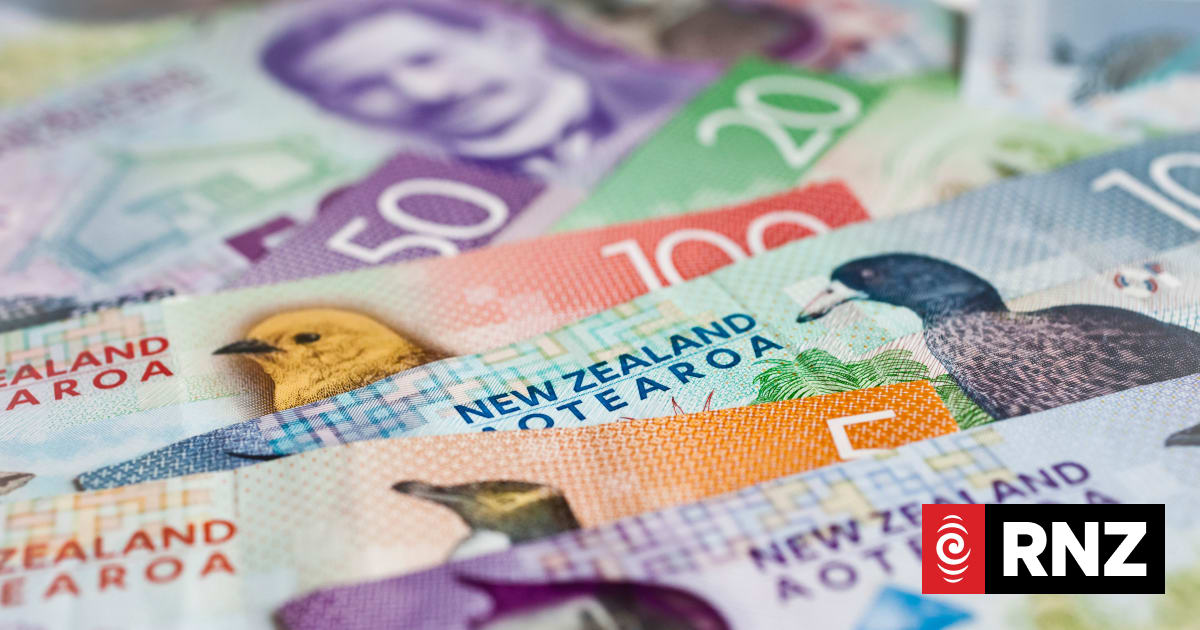
An economist has warned that changes to youth benefit eligibility will cost more than they save over the next 20 years, RNZ reports. From November 2026, the government will end Jobseeker payments to 18-19-year-olds whose parents earn more than $67,225.
Economist Shamubeel Eaqub told Midday Report the policy was mean-spirited and could result in $156 million in net costs over two decades, or up to half a billion dollars when factoring in wellbeing and mental health pressures. Social Development and Employment Minister Louise Upston defended the legislation, saying it reflects a commitment to reduce benefit dependency and encourage work. New Zealand's unemployment rate sat at 5.6 percent for the June 2026 quarter, RNZ business (NZ) reports.
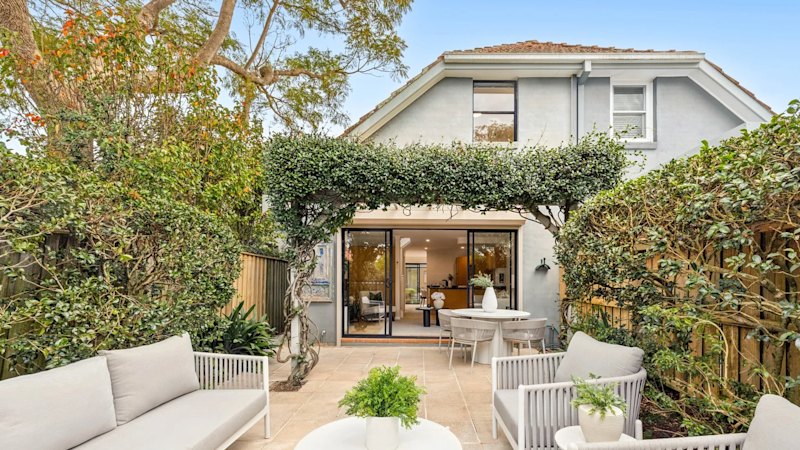
A first home buyer couple who combined forces with a buyer's mother paid $3.15 million for a three-bedroom house in Cammeray at auction on Saturday, according to The Age.
The property at 9 Colin Street sold for $150,000 above its guide and $50,000 above reserve after four parties took part in the bidding.
Asian stocks dropped on Aug 31 and the dollar held gains after comments from Federal Reserve Chairman Kevin Warsh raised expectations for an interest-rate hike in September. MSCI’s Asia Pacific equities gauge fell 0.6 per cent, with technology shares leading losses.
Oil climbed as Middle East tensions intensified following US military strikes on Iranian rocket launchers in the Strait of Hormuz on Aug 30. Brent crude rose 1.4 per cent to US$89.30 a barrel, The Straits Times reports.
Asian share markets slid on Monday as fresh U.S.-Iran fighting lifted oil prices and kept bond yields elevated on inflation concerns. Brent crude climbed 2.8 per cent to $90.60 a barrel after U.S. forces struck Iranian launchers on Larak island on Sunday; Iran responded by attacking U.S. forces in Jordan, according to Fox News. President Trump posted that Iran's main oil terminal at Kharg Island was being "blown to smithereens," though the military provided no confirmation.
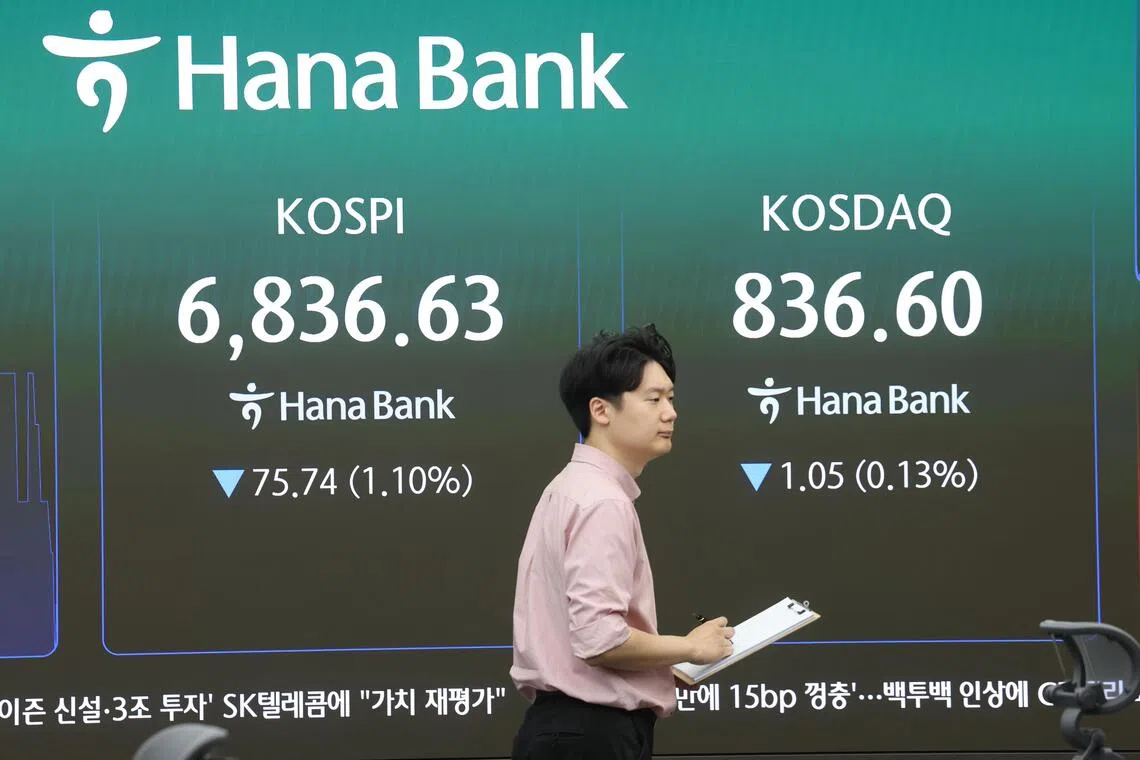
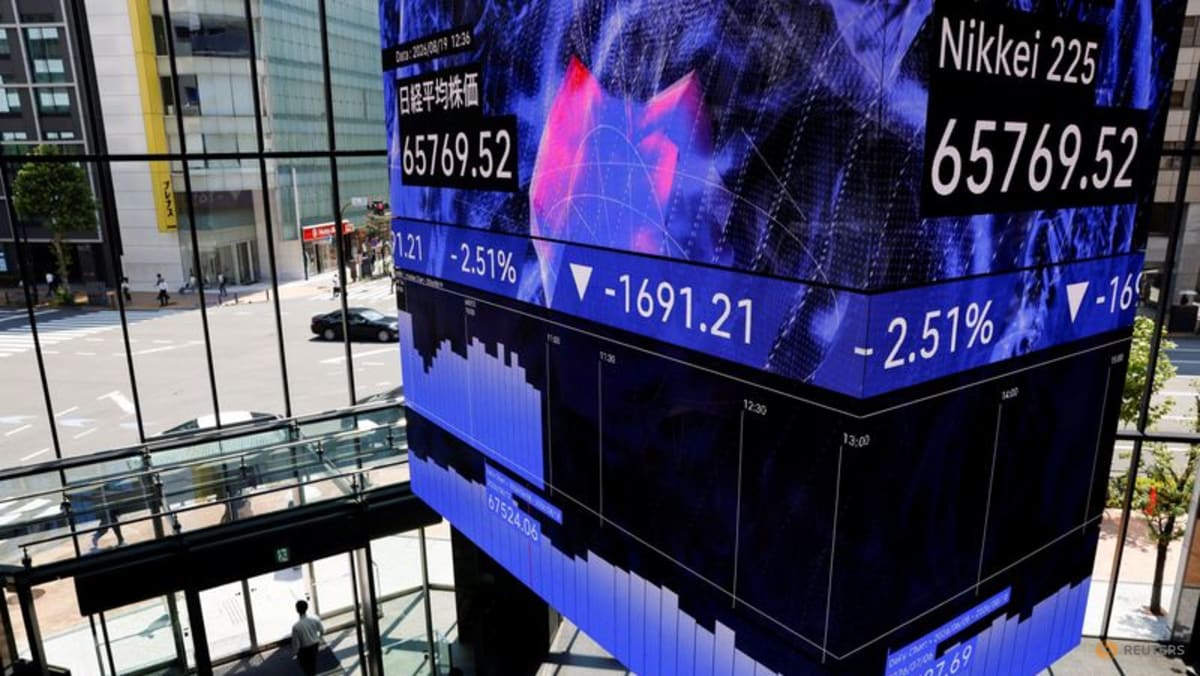
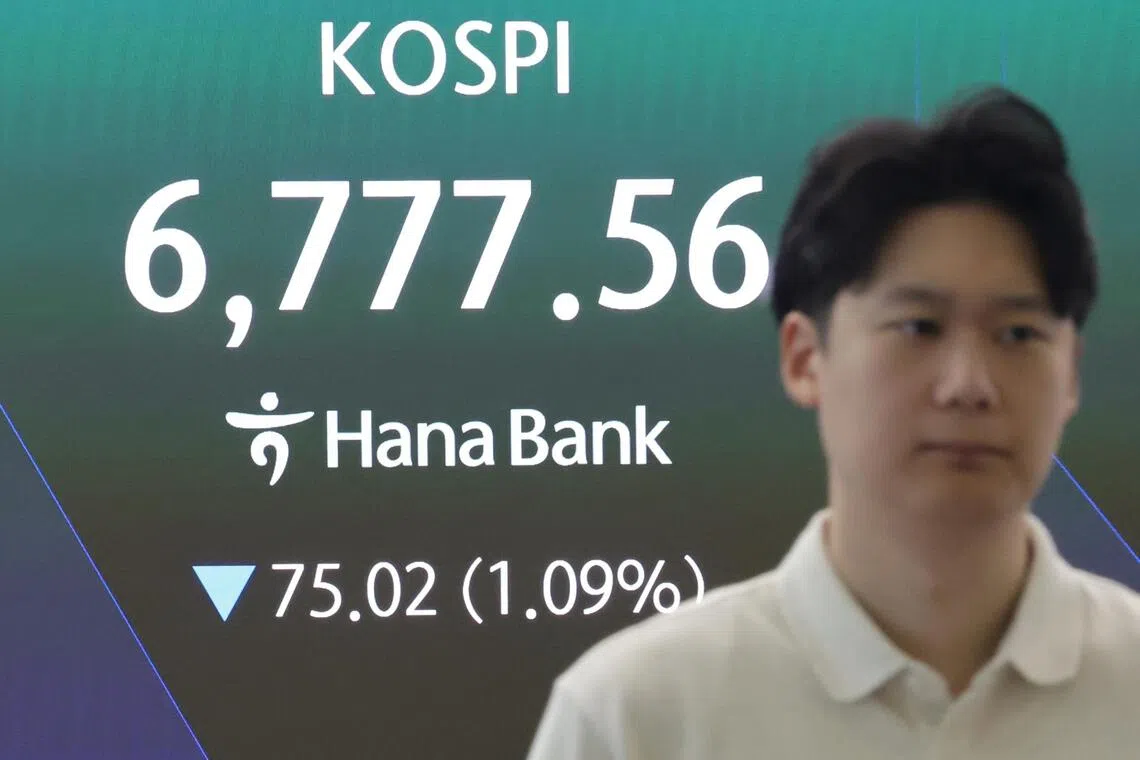
Market pricing for a U.S. rate rise in September jumped to 57 per cent after Federal Reserve Chair Kevin Warsh emphasised on Friday the central bank had work to do controlling inflation. Japan's Nikkei fell 1.6 per cent, South Korean stocks dropped 2.2 per cent, and MSCI's Asia-Pacific index outside Japan lost 1.2 per cent. Chinese blue chips eased 0.7 per cent as manufacturing activity remained subdued.
"We continue to expect that a hike won't come until December, though agree that the September meeting is live," said Michael Feroli, chief U.S. economist at JPMorgan. The outcome of Friday's August payrolls report and consumer price data on September 11 will be key to the timing of any rate move, Channel NewsAsia business reports.
Federal Reserve Chair Kevin Warsh said on Friday that delivering stable prices remains the central bank's job as inflation persists above its target.
Speaking at the Jackson Hole economic symposium in Wyoming, Warsh did not indicate whether interest rates would change in coming months. US inflation cooled to 3.4% in July after hitting a 3-year high of 4.2% in May, according to the Guardian, Gaya Gupta reports for Guardian business.
Workers at a closed Whangārei restaurant and late-night venue are likely to lose thousands of dollars in unpaid wages each following its liquidation, according to the liquidator. The company running The Butter Factory, Punjab to NZ Group, was put into liquidation on August 3 after closing on July 14, NZ Herald business reports.
The company owed more than $440,000 to Inland Revenue, according to the liquidator's first report. Directors Harpreet Kaur and Ishjot Singh attributed the business's collapse to a drop in sales after authorities curtailed trading hours from 3 a.m. to 1 a.m. – With NZ Herald business
Wall Street’s main indexes ended lower on Aug 28 as investors grew cautious after Federal Reserve Chair Kevin Warsh reiterated the central bank’s focus on fighting inflation.
The S&P 500 lost 19.23 points, or 0.25%, to 7,711.76, while the Nasdaq Composite fell 138.93 points, or 0.52%, to 26,402.42, according to Reuters. The Dow Jones Industrial Average dropped 9.45 points, or 0.02%, to close at 53,559.99.
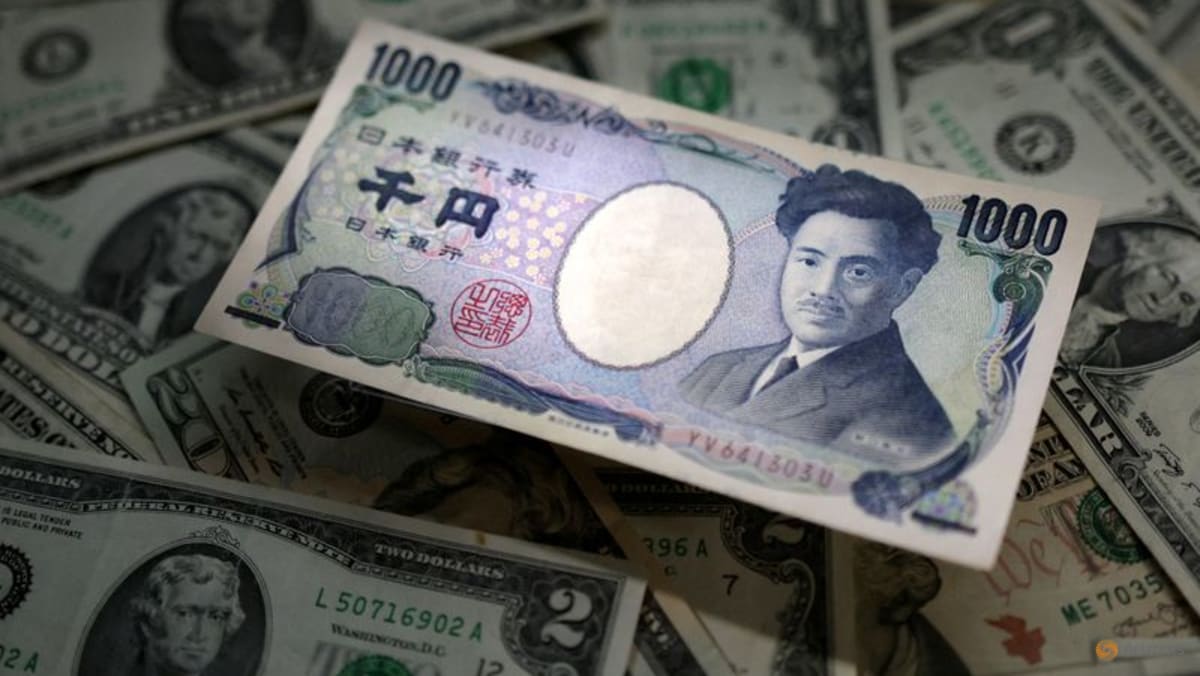
Japanese authorities spent 15.4 trillion yen ($96.5 billion) intervening in foreign exchange markets over the past month to support the currency, Finance Ministry data showed on Friday.
The intervention figures cover the period spanning July 30 to August 26, according to the data, as authorities sought to pull the yen away from four-decade lows near 164 per dollar, Channel NewsAsia business reports.
Australian house prices dropped 0.7% in July and 1.9% over the quarter amid a reported market downturn, RNZ reports.
Australian real estate agents have taken to social media to discuss the struggles, with agent Liam Cromarty warning buyers in an Instagram video against lowball offers, RNZ business (NZ) reports.
Income Insurance Chief Executive Andrew Yeo will step down at the end of 2026 after leading the company for seven years, The Straits Times reported.
Yeo informed the board of his decision but agreed to remain in the role until Dec. 31 to assist with an orderly transition while a successor is identified, board chairman Lim Sim Seng said in an email to staff.
Yeo was appointed chief executive on June 1, 2019, having previously served as executive vice-president and general manager of the firm's life and health business.
Fiji's central bank holds rates at 0.25% as inflation cools slightly
The Reserve Bank of Fiji maintained its overnight policy rate at 0.25 percent on 27 August, citing the need to support economic activity while guarding foreign reserves amid supply-driven inflation.
Headline inflation fell to 5.7 percent in July from 6.1 percent in June, driven mainly by higher fuel and gas prices. The central bank said inflation is expected to remain elevated due to ongoing global fuel and freight costs.
Foreign reserves stood at $3.9 billion, sufficient for 5.5 months of imports. Tourism arrivals reached 105,791 in July, the highest on record for the month and up 6.5 percent year-on-year, while remittances surged 26.3 percent in the first half of 2026.
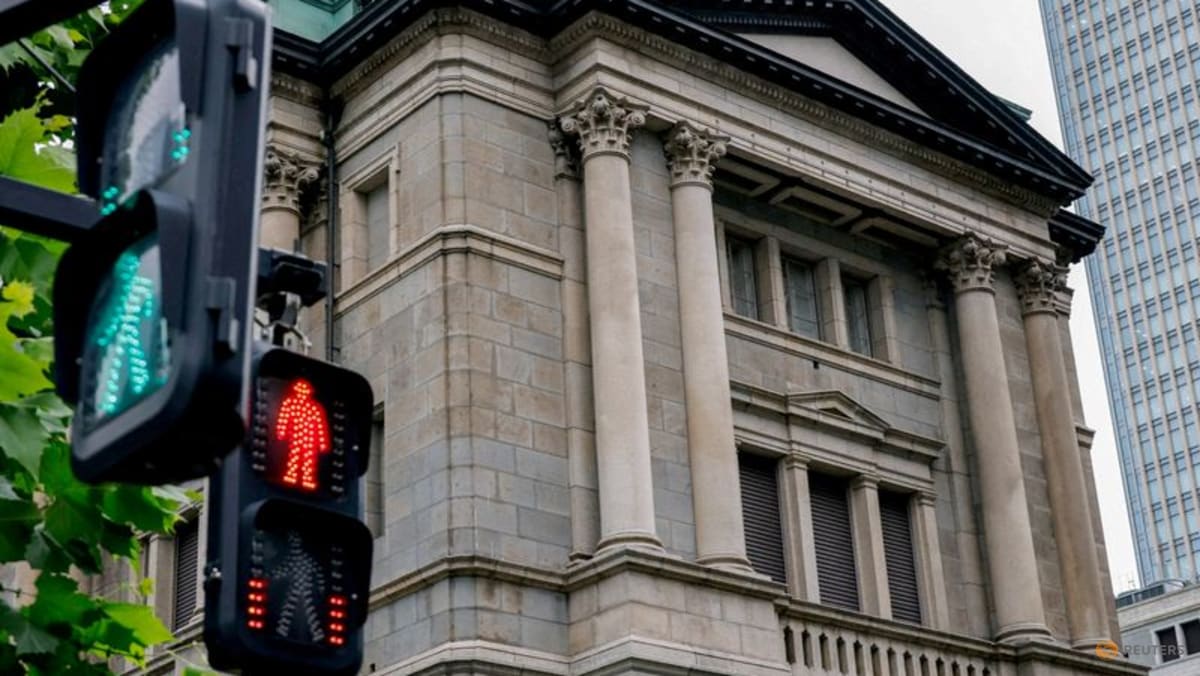
The Bank of Japan will raise interest rates again in September, according to a Reuters poll of economists published on Tuesday. Fifty-seven per cent of surveyed economists expected the central bank to move next month.
The August 17-24 survey followed a June rate increase to 1 per cent. Nearly two-thirds of analysts projected the policy rate to reach at least 1.5 per cent by the end of March next year, Channel NewsAsia business reports.
Remote communities in Queensland face surging grocery and freight costs after the National Heavy Vehicle Regulator grounded Normanton-based Hawkins Transport over safety and compliance concerns.
The company runs 70 road trains delivering cattle and grocery pallets to Indigenous communities including Kowanyama and Doomadgee, but owner Bradley Hawkins said the shutdown is costing the business half a million dollars a week, according to the Australian Broadcasting Corporation.
Hawkins Transport will appear in Brisbane's Supreme Court on Wednesday seeking a stay of the prohibition notice, ABC business reports. – With ABC Tim Little reports for ABC business (AU).
Japan's finance ministry expects its debt-servicing cost to rise 17.1 per cent to a record 36.6386 trillion yen ($229.94 billion) in the next fiscal year starting in April, Kyodo News reported on Tuesday.
The increase is driven by rising interest rates, according to Kyodo, with the exchange rate calculated at 159.3400 yen to the US dollar, Channel NewsAsia business reports.
Online fast-fashion retailer Shein's order book to raise up to US$1.8 billion in a Hong Kong initial public offering has been fully covered by investor demand, two sources said.
The Singapore-based, Chinese-founded company launched its share sale on August 24, valuing the firm at up to US$27 billion, according to the sources and company filings. – Reuters The Straits Times reports.
Options traders are pricing in a US$280 billion swing in Nvidia's market value after the company reports second-quarter earnings on Wednesday, Channel NewsAsia reports.
The chipmaker's options are pricing in a 5.4 per cent move in either direction on Thursday, translating to about US$280 billion in market capitalisation, according to analytics firm Option Research & Technology Services, Channel NewsAsia business reports.
Campervan company Tourism Holdings reported a net profit of $38.4 million for the year ended 30 June 2026, recovering from a net loss of $25.8 million the previous year, according to RNZ. Revenue for the period fell to $852.9 million from $894.1 million.
Chief Executive Grant Webster said the company built momentum through the second half of the year after March disruptions from the Middle East conflict. Webster said New Zealand bookings rose 40% over the last 4 weeks and U.S. intake tracked 45% ahead.
Board Chair Cathy Quinn said the board is evaluating 2 non-binding indicative takeover proposals currently before it. Quinn said there is no certainty either proposal will result in a transaction, RNZ business (NZ) reports.
The Canadian dollar fell 0.2% to C$1.3798 per US dollar after the US imposed 50% tariffs on $20bn of Canadian goods on Friday and trade negotiations broke down at the last minute. Prime Minister Mark Carney said Canada would "match Washington's new tariffs dollar for dollar", with retaliatory levies on US steel, electronics, dairy and other products to take effect on 8 September.
The new US tariffs cover goods including wine, furniture, dairy, cement, clothing and hockey sticks, affecting around 5% of Canada's exports to the US. President Donald Trump posted on social media that "Canada wants the benefits of being a State, without being one!!!" The breakdown prompted a broader market reaction, with the Canadian dollar weakening against all G10 currencies, Julia Kollewe reports for Guardian business.
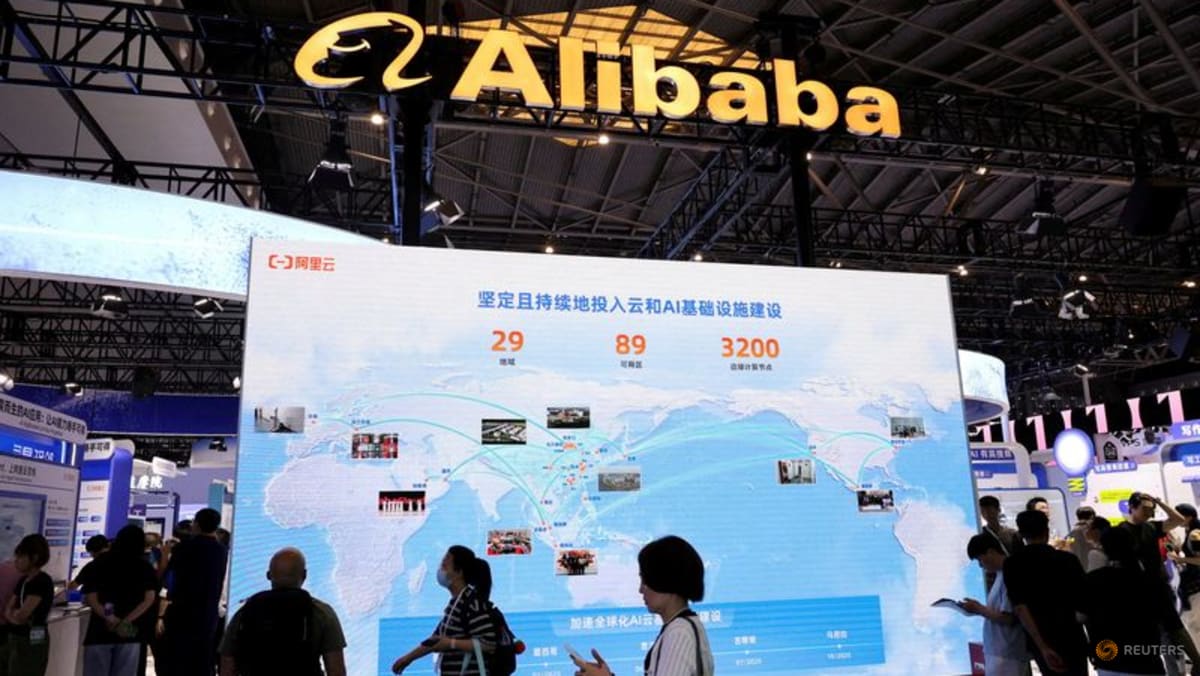
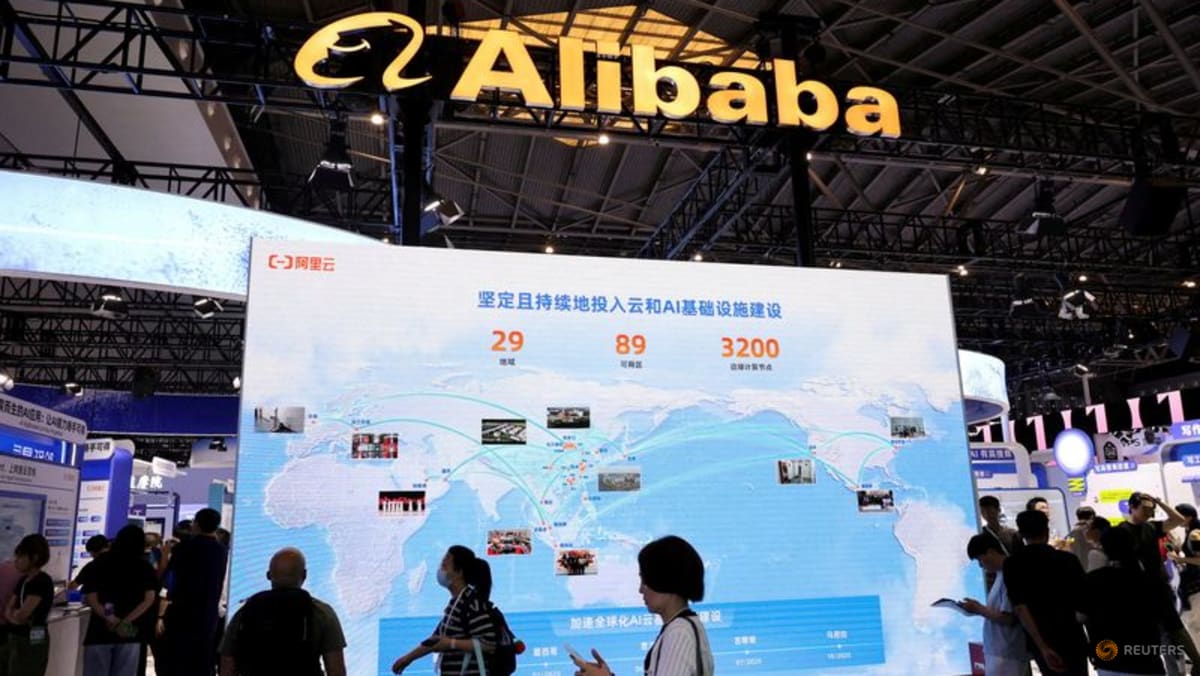
Alibaba's Hong Kong-listed shares fell as much as 10 per cent on Monday after the Chinese e-commerce and cloud computing company launched a $10.2 billion share placement priced at HK$112.70 apiece, an 8.4 per cent discount to Friday's close. The company said it will use proceeds to fund AI-related development and infrastructure expansion amid intensifying competition and U.S.-China tech tensions.
Investors worried the placement would dilute their holdings and questioned returns on the company's massive AI spending. "It's negative news in the short-term as the share placement dilutes shareholders' interest," said Charles Wang, chairman of Shenzhen Dragon Pacific Capital Management. The deal is the largest-ever primary follow-on offering by a Hong Kong-listed company and the third-largest globally this year after placements by Alphabet and Intel.
Alibaba said last week it had already spent nearly half of its three-year capital expenditure plan and brought forward its projected payback on AI investment to two and a half years from three due to surging demand for AI services. Its quarterly net profit fell 75 per cent from a year earlier, primarily due to AI-related spending, Channel NewsAsia business reports.
US President Donald Trump has attacked Canada after Prime Minister Mark Carney announced retaliatory tariffs on US steel, dairy and other goods, to take effect September 8. Trump said on Truth Social that Canada wants "the benefits of being a State, without being one" and has charged American farmers "massive amounts of tariffs for many years."
The escalation follows the collapse of trade negotiations on Friday. The US imposed 50 per cent tariffs on about $US20 billion of Canadian goods on Saturday, covering wine, furniture, dairy, cement, clothing and fishing equipment. Canada's retaliatory tariffs will be "dollar for dollar" on US imports, Carney said, ABC business (AU) reports.
Volkswagen CEO Oliver Blume said on Aug 23 that the company faces "the biggest upheaval in their history" from global headwinds and Chinese competition, as he prepares to defend sweeping cost cuts to staff.
Blume said no decision had been taken on plant closures but reiterated that factories in Emden, Hannover, Zwickau and Neckarsulm "cannot currently see any way of them remaining profitable in the 2030s". The carmaker is weighing job cuts beyond the 50,000 already ordered, with agreements reached on 37,000 of those positions. Blume said closing plants would be "the last and most expensive solution" and that Volkswagen was exploring other industrial uses for affected sites, including defence industry partnerships for its Osnabrueck facility.
Christiane Benner, head of the IG Metall union, said on Aug 21 that workers had "already to accept hefty and painful cuts and now are getting another slap in the face", and promised to resist closures. The company also faces overproduction of 500,000 vehicles per year in Europe, The Straits Times reports.
New Zealand food staples hitting record prices, outpacing wage growth
Butter, eggs and bread prices have more than doubled over the past decade in New Zealand, rising at twice the rate of wage growth, according to Stats NZ data cited by Westpac senior economist Satish Ranchhod. Butter prices have jumped 157 percent since 2016 while wages rose 52 percent; eggs are up 125 percent, bread up 120 percent, and fresh fish now costs $49.62 a kilogram on average.
Ranchhod said strong global demand for protein and rising production costs — including fuel, transportation and packaging — are pushing prices higher and will likely keep them elevated. "We've still got pretty high fuel costs," he said, noting further increases are expected. Simplicity chief economist Shamubeel Eaqub warned that food prices will continue rising even as inflation slows. "Slowing inflation rates don't actually mean anything to somebody who's paying still a ton of money for the basics," he said, RNZ business (NZ) reports.
Artificial intelligence could push inflation higher in the short term through redirected investment and component shortages, Swiss National Bank governing board member Petra Tschudin said on Friday, Reuters reported.
"Shortages can occur, for example with chips, causing prices to rise," Tschudin told Swiss newspaper Finanz und Wirtschaft, adding that while productivity gains could reduce costs over time, they were unlikely to cause structural deflation.
Her comments follow research published Thursday by International Monetary Fund chief economist Silvana Tenreyro, who warned in Bank of England staff papers that productivity gains from artificial intelligence may fail to lower inflation.
The Swiss central bank projects inflation will remain within its target range of zero to 2 percent through early 2029, with its key interest rate at zero percent, Channel NewsAsia business reports.
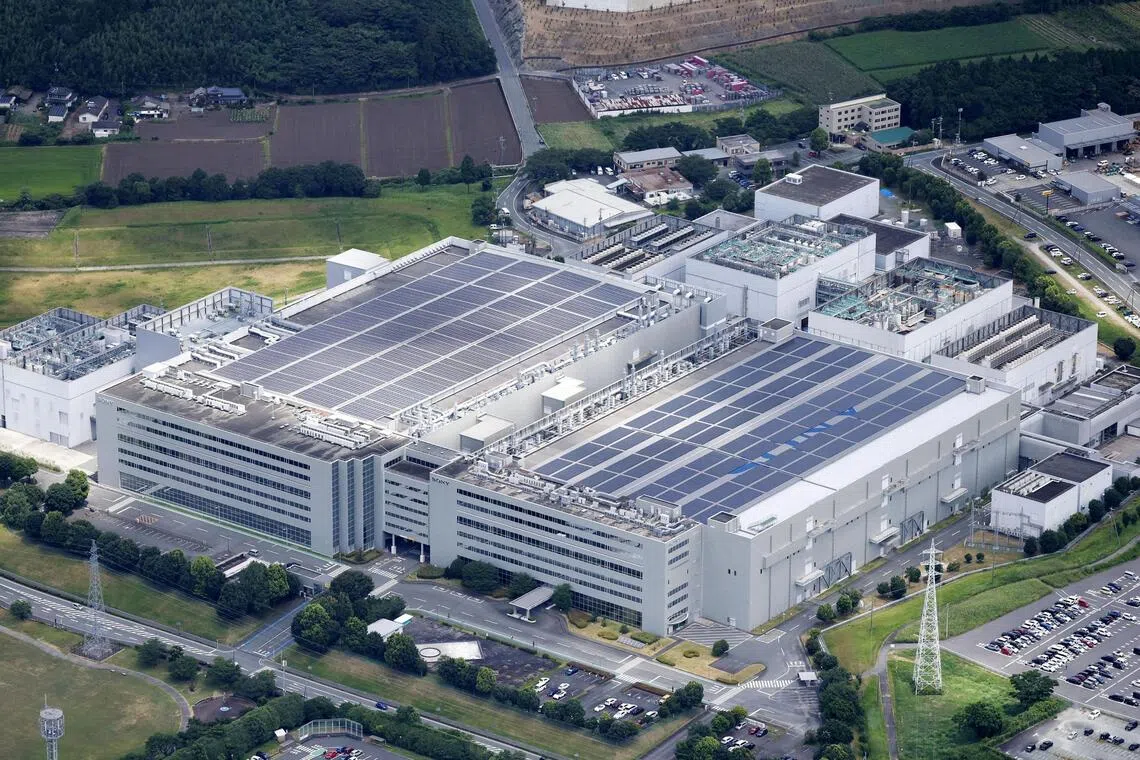
Japan's manufacturing sector expanded in August as new orders rose at their fastest pace since January 2018, according to a business survey released on Aug 21.
The S&P Global Flash Japan Manufacturing Purchasing Managers' Index rose to 55.1 in August from 54.5 in July, a preliminary estimate by S&P Global showed, with the 50-mark separating growth from contraction.
"While we saw growth momentum pick up across both manufacturing and service sectors, factories continued to lead growth, registering sharp increases in both production and new orders," said Annabel Fiddes, economics associate director at S&P Global Market Intelligence, Reuters reports.
Motorists in the Philippines face another fuel price increase of up to 2.25 pesos per liter next week due to the ongoing conflict in the Middle East, according to industry estimates.
Diesel prices may climb by 1.75 to 2.25 pesos per liter, while gasoline prices could rise by 1.00 to 1.50 pesos per liter, Jetti Petroleum President Leo Bellas said on Friday, Inquirer business (PH) reports.
Asian stocks edged higher on Friday as investors assessed the US Treasury's move to push down long-term bond yields, according to AFP.
Analysts warned the intervention would not be enough to keep borrowing costs from spiking amid concerns over elevated inflation and government borrowing, Channel NewsAsia business reports.