Regulation
Coalition Slams New Online Safety Bill as a 'Blank Check' for Censorship
The Coalition wants changes to Labor's new online safety bill, calling a minister's power to add harm categories by regulation a "blank check" for censorship.
The Lowdown
Australia's opposition leader stood in Canberra this week and called the government's new online safety bill a threat to free speech. Labor says that's not close to what's in it.
At the centre of the fight is a single power: Communications Minister Anika Wells' draft law would let her add new categories of "harmful" online content by regulation, without a fresh vote in Parliament each time. The Coalition calls that an open door to censorship. The government calls it a way to keep pace with new online harms as they show up.
Here's what's actually in the bill, who's saying what, and what happens next.
Why This Actually Affects You
If you use social media, this bill touches your feed directly. Platforms like Instagram, TikTok and Facebook would have to give you a clear opt-out from algorithm-picked content — a pop-up letting you choose a feed built only from people you follow, instead of whatever the recommendation engine decides.
Platforms would also have to identify and manage risks tied to specific harms. For under-18s, that includes content pushing eating disorders, misogynistic material, pornography, glorification of crime, and bullying. For adults, it covers existing crimes — child abuse material, incitement to sexual violence, harassment meant to cause serious harm, support for terrorism, and encouraging suicide.
The catch, says the Coalition: the minister could add new categories to that list later, by regulation, without Parliament voting on each one.
It's not abstract for the people arguing about it either. A reporter pressed Taylor, a father of four, about parents who've lost children to suicide linked to social media, and whether he'd work with the government to pass the bill. "We must protect our children. It is enormously important," he said — while still insisting the ministerial powers need to change first.
For now there's nothing to click or change; the opt-out requirement isn't law yet. Submissions are open while the government consults on the draft, if you want a say before it is.
What Is the Digital Duty of Care Bill?
Think consumer safety law, but for your feed. Minister Wells has compared it to safety standards for cars, toys or food: instead of reacting after harmful content spreads, platforms would have to design for safety upfront and show they're managing known risks.
It's not new. Labor first promised a digital duty of care in 2024, then shelved it. This week's exposure draft is the revived version, two years later.
How It Started
Labor floated the idea in 2024, pitching it as a shift from reacting to online harms toward preventing them at the design level. The plan stalled.
The Turning Point
On 8 September, the government released its exposure draft. It landed the same week that a separate bill — the Online Safety Amendment, which covers the existing social media age ban and gives new document-demand powers to the eSafety Commissioner — was already before the Senate. Shadow Communications Minister Sarah Henderson says that timing isn't a coincidence: she's accused the minister of "scrambling" after what she calls a defective age ban.
What Changed
The exposure draft confirmed the Coalition's central fear. Under section 25C, the minister can expand the list of banned harm categories by regulation, not by passing new legislation. Henderson has also flagged that the draft, as written, doesn't carve out an exemption for news media websites — meaning, in theory, journalism could get caught by the same takedown powers.
Where Everyone Stands
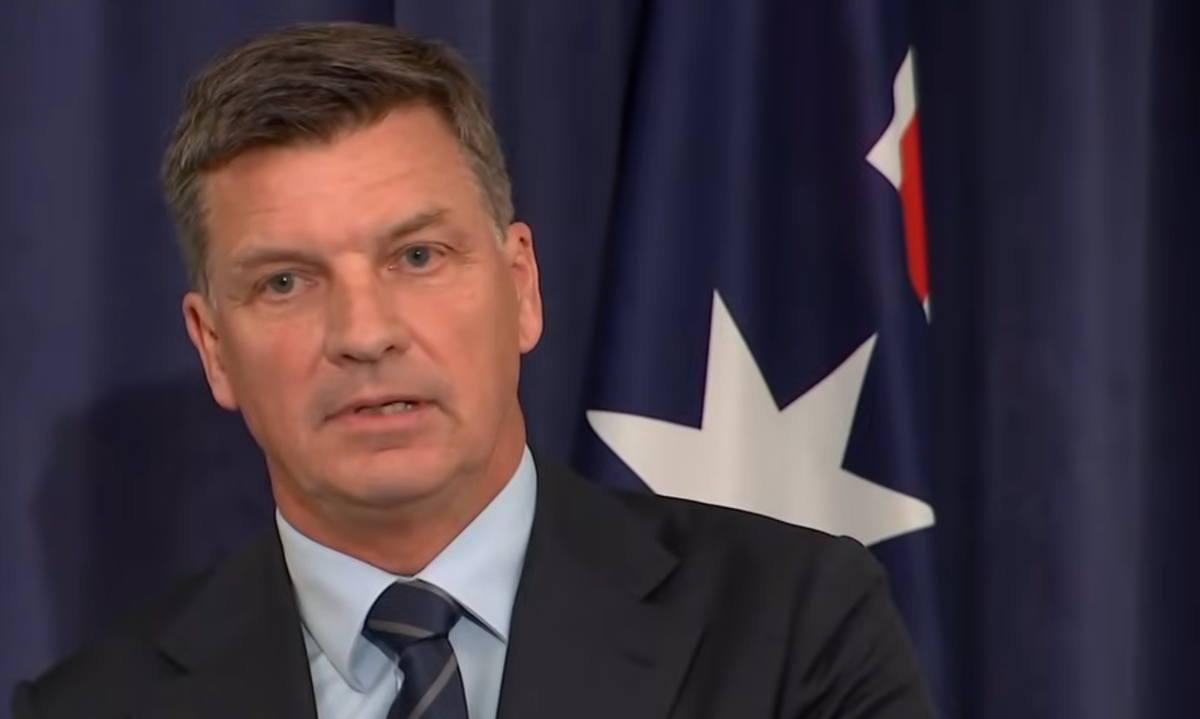
The Coalition. Opposition Leader Angus Taylor says the bill "is not in place to protect" people — it's built to protect politicians from criticism. He's made it personal: since becoming leader, he says, he's copped heavy public criticism online, and he doesn't want any government insulated from that kind of feedback. Henderson has gone further on the mechanics, calling the minister's powers "unfettered" and warning there are "no safeguards" in the current draft.
The government. Prime Minister Anthony Albanese rejects the censorship framing outright, saying the bill is "about giving people control themselves over what they see." Wells has pitched it as basic consumer protection extended online — the same instinct behind safety standards for toys or cars.
The sceptical middle. Not everyone reading the bill sees a clean free-speech fight. Commentary in Crikey has argued the sector's reaction says as much about platforms' business models as it does about genuine free-speech risk, while conceding the Coalition's warnings about ministerial overreach have some substance.
What Happens Next
Consultation on the exposure draft is open. Both the Greens and the Coalition have said they'll work through the detail before locking in a position, so the fight over how much discretion the minister keeps is far from settled. Henderson has flagged amendments are coming; whether the government budges on the ministerial-powers clause, or adds a news-media carve-out, is the thing to watch.